Why Arizona is receiving attention
For most of the past three decades, a Taiwanese company entering the United States looked first at California, then at Texas. Arizona was a place you flew over. That has changed, and it has changed for a reason that is structural rather than promotional: a concentration of advanced manufacturing investment has arrived in the state, and a supply chain has started to follow it.
What makes this relevant to a Taiwanese business is not the headline projects themselves. It is the second and third order effects — the suppliers, the service firms, the contractors, the logistics operators and the workforce that assemble around large industrial commitments. That ecosystem is being built now, which means there is still room in it.
The semiconductor and advanced-manufacturing ecosystem
Arizona's advanced-manufacturing base is anchored by large-scale semiconductor investment in the Phoenix metropolitan area, with Chandler and north Phoenix as the two most visible centres of gravity. Around those anchors sit the categories that a fab actually consumes: specialty chemicals and gases, precision components, tooling, calibration and metrology services, cleanroom construction, industrial gases, waste handling, and the freight and warehousing that move all of it.
If your company already supplies any part of that chain in Taiwan, the strategic question is straightforward: do your customers expect a U.S. presence, and if so, on what timeline? That question is usually more useful than any general assessment of the state.
A fab is not a building. It is a demand signal — and the companies that answer it early are the ones with room to negotiate.
Connections with Taiwanese companies and suppliers
One of the practical advantages of Arizona for a Taiwanese company is that you will not be the first. A Mandarin-speaking business community has been forming in the metro area alongside the manufacturing investment: suppliers who have already been through U.S. qualification, professionals who have handled cross-border entity structures, and operators who have made the same mistakes you are about to consider making.
This matters more than it sounds. The cost of entering a market is largely the cost of learning it, and that cost falls sharply when there are people nearby who will tell you honestly what a thing should cost and how long it should take.

Greater Phoenix as a business market
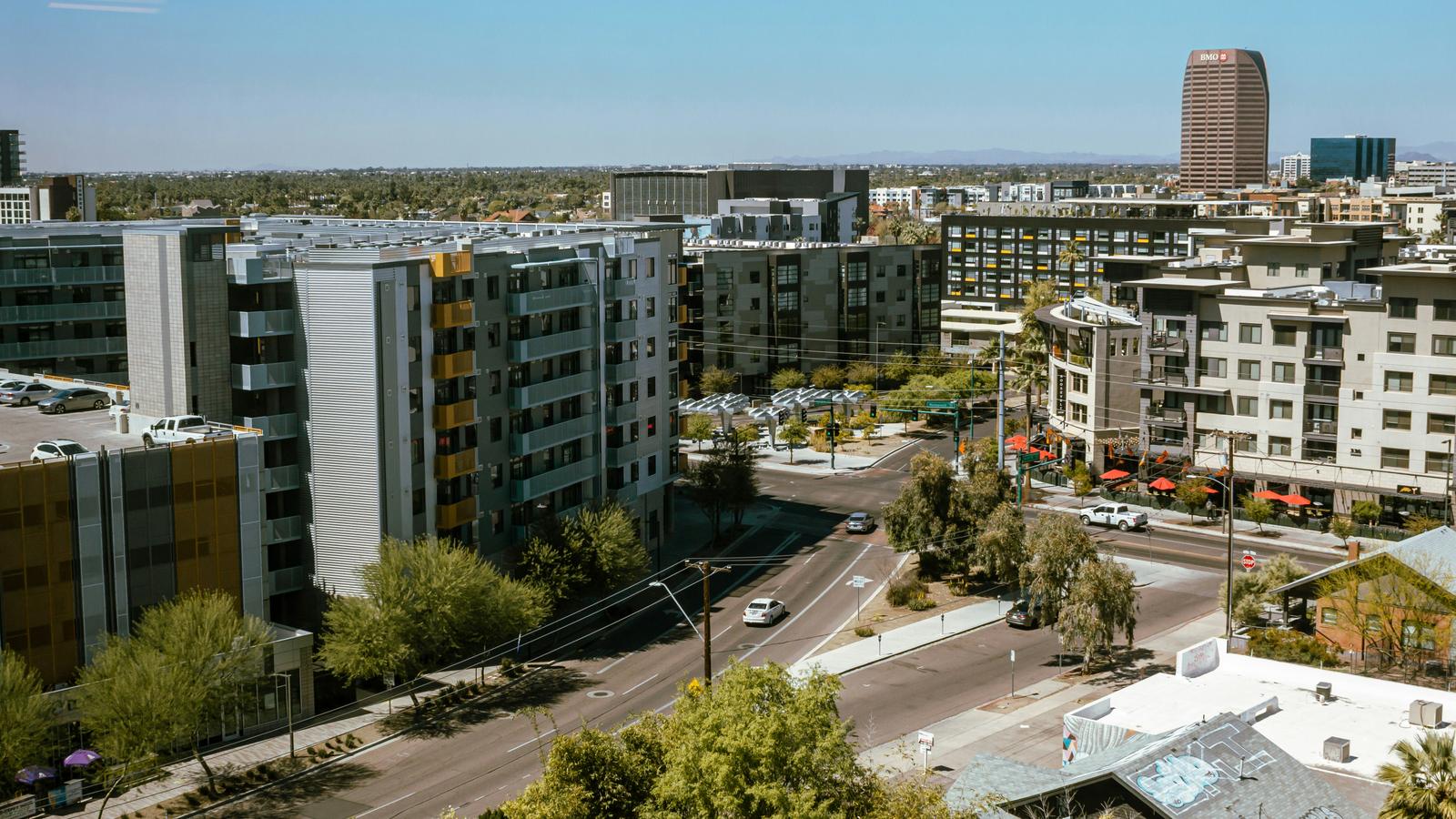
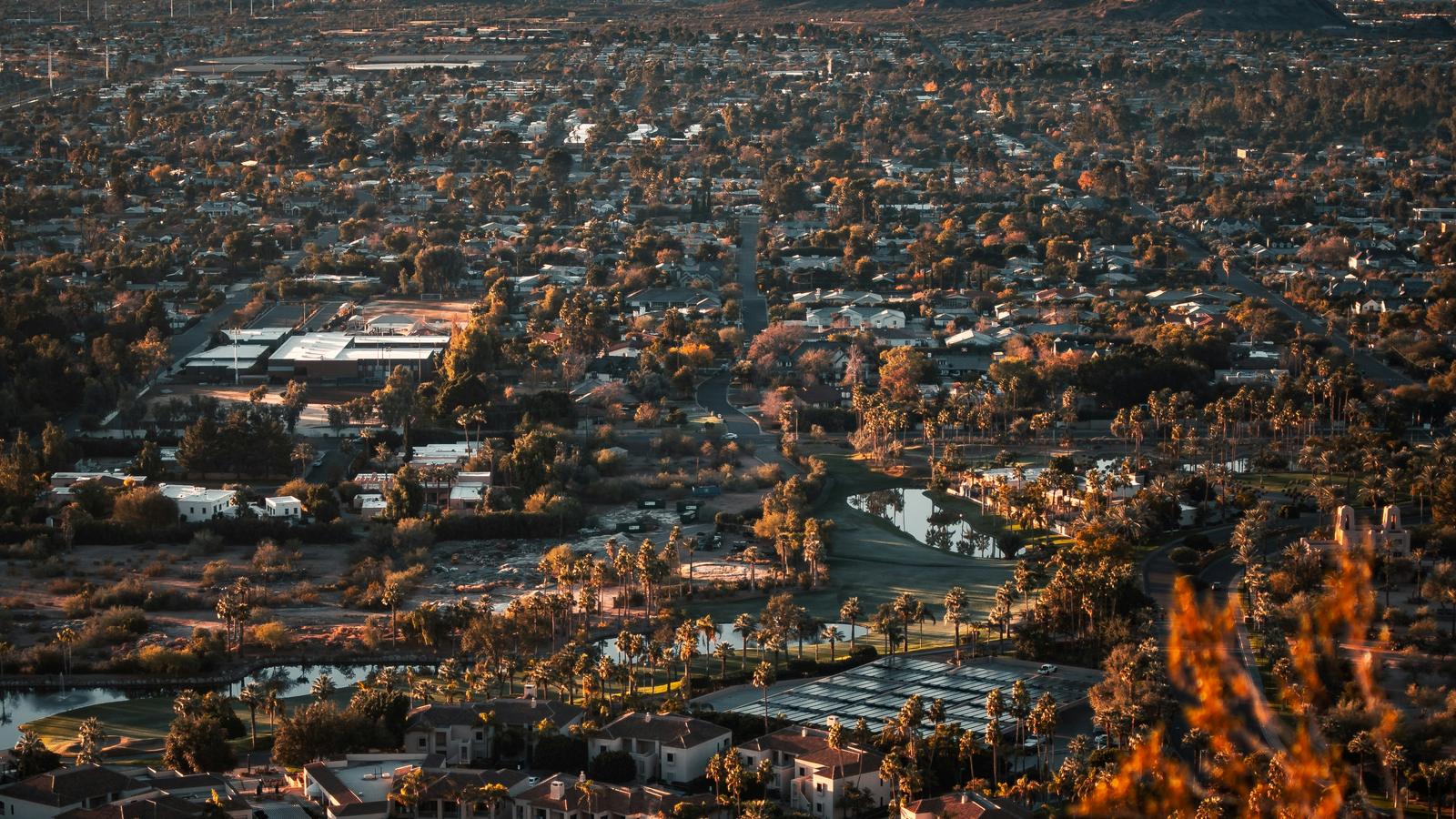
Beyond manufacturing, Greater Phoenix is a large and still-growing metropolitan market in its own right — one of the major population centres of the western United States, with a consumer base, a services economy and a construction sector that operate independently of the semiconductor story.
For a restaurant group, a consumer brand or a retail concept, that is the more relevant frame. You are not entering a technology corridor. You are entering a metro area of several million people with distinct sub-markets, and the choice of which sub-market matters a great deal. That is the subject of a separate guide.
Government and economic-development resources
Arizona has an active economic-development apparatus at both state and city level. In practice this means there are teams whose job is to help companies understand local requirements, connect them with municipal departments, and explain what programmes exist. They are a genuine resource and they are usually willing to meet.
What they are not is a shortcut. No economic-development office decides permits, guarantees incentives, or accelerates an inspection. Approaching them as an information channel is productive; approaching them as leverage is not.
Why Arizona can work as a first U.S. landing point
Three characteristics tend to matter to companies making a first entry. Operating costs are generally lower than in the largest coastal metros, which changes what a first year can be attempted on. Land and industrial space have historically been more available, which matters for anyone who needs to build rather than lease. And the market is large enough to be a real test but not so large that a first mistake is fatal.
The counterweight is that Arizona is not a substitute for California or New York if your customers, investors or talent pool are concentrated there. A landing point should be chosen against where your business actually needs to be, not against where growth is fastest.
Which companies may be suitable
- Component and materials suppliers whose customers have already committed to Arizona capacity.
- Manufacturers and industrial service firms that need land, power and space rather than proximity to a coastal port.
- Food and beverage brands testing a U.S. concept in a market where build-out and occupancy costs are more forgiving than a coastal debut.
- Consumer and lifestyle brands looking for a launch market small enough to learn in and large enough to be meaningful.
- Technology companies and startups that value proximity to a university pipeline and a forming ecosystem over a mature one.
What companies should evaluate before deciding
The most common failure in market selection is deciding first and validating afterwards. A more useful sequence starts with questions that have concrete answers.
How CnC Venture supports the evaluation process
Our role at this stage is not to sell Arizona. It is to help you test it against your own business: market research and competitor observation, structured site visits across the relevant cities, introductions to economic-development teams and to the professional advisors you will need, and an honest read on timing.
Some companies finish that process and move. Some finish it and choose a different state, or a different year. Both are useful outcomes, and both are cheaper than finding out afterwards.