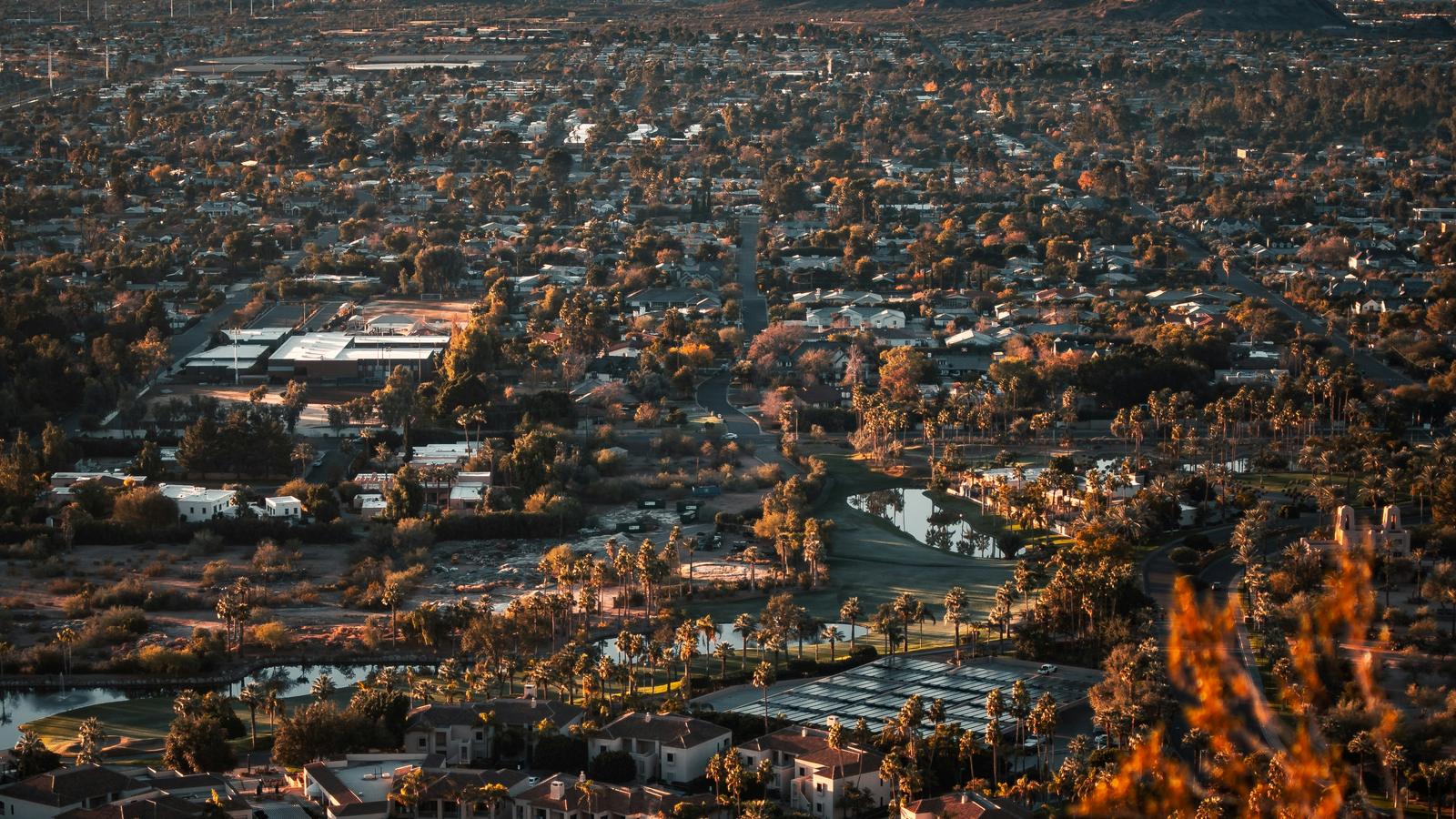
From Taipei, the metro reads as a single dot on a map. On the ground it behaves as six markets that happen to share a valley, an airport and a freeway system. What follows is a working comparison — not a ranking. There is no universally correct answer, and any consultant who gives you one has not asked enough questions about your business.
The right address is not the best city. It is the city whose customers, costs and constraints match the business you are actually running.
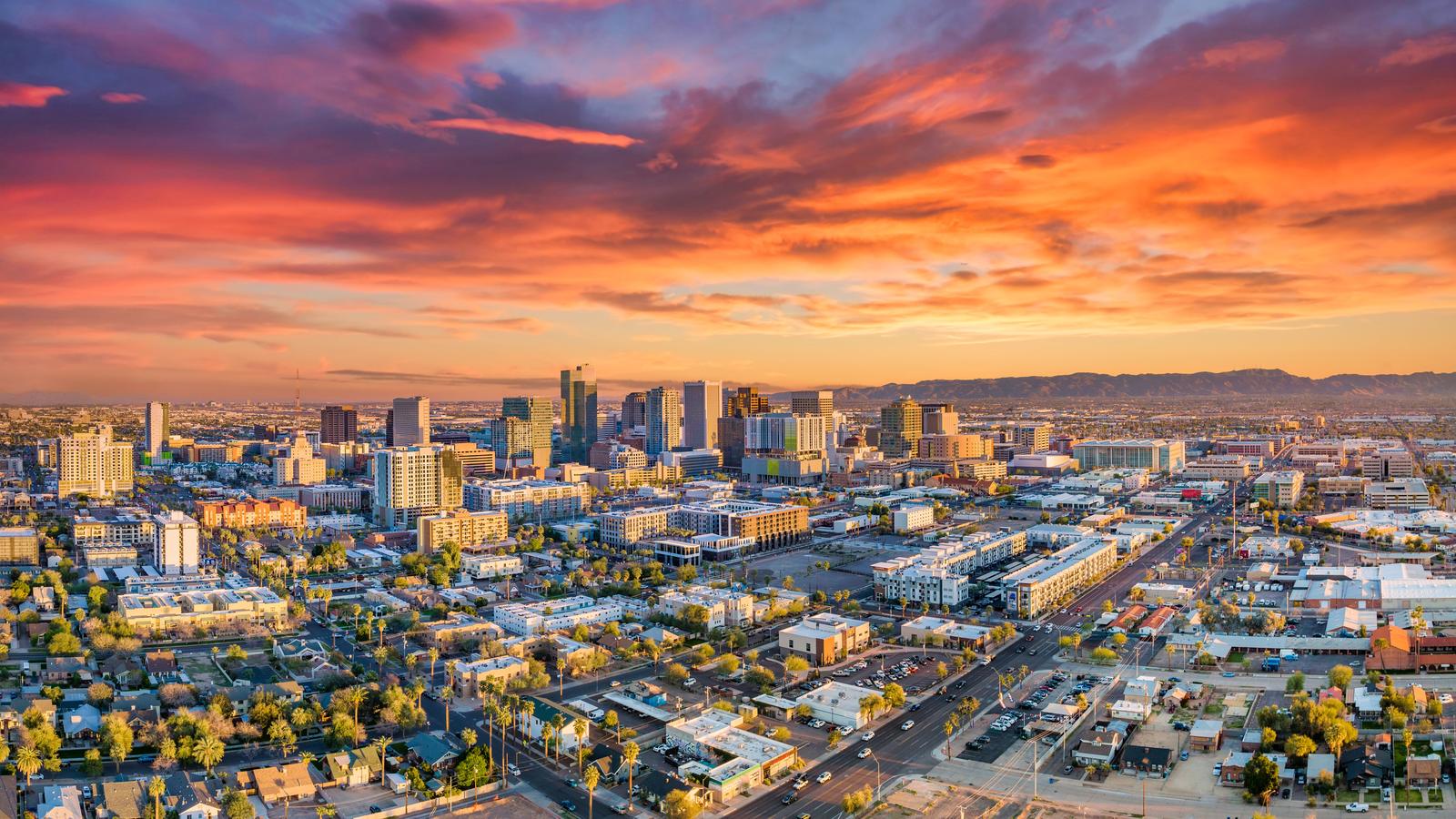
Phoenix — The centre of gravity
State government, the largest employers, the airport and the logistics spine of the metro. Downtown carries the professional-services and civic weight; the wider city covers an enormous area with very different conditions inside it.
- Suitable for: Professional services, logistics and distribution, headquarters functions, B2B operations, hospitality serving business travel.
- Customer profile: The broadest customer mix in the valley — civic, corporate and residential, across a wide income range depending on the district.
- Commercial environment: The deepest inventory of commercial space at the widest range of price points, and the most established permitting apparatus.
- Location considerations: Districts vary enormously. An address five minutes apart can mean a different trade area, a different customer and a different rent.
- Potential limitations: Size cuts both ways: it is easy to choose a location that is technically in Phoenix but functionally in the wrong market.
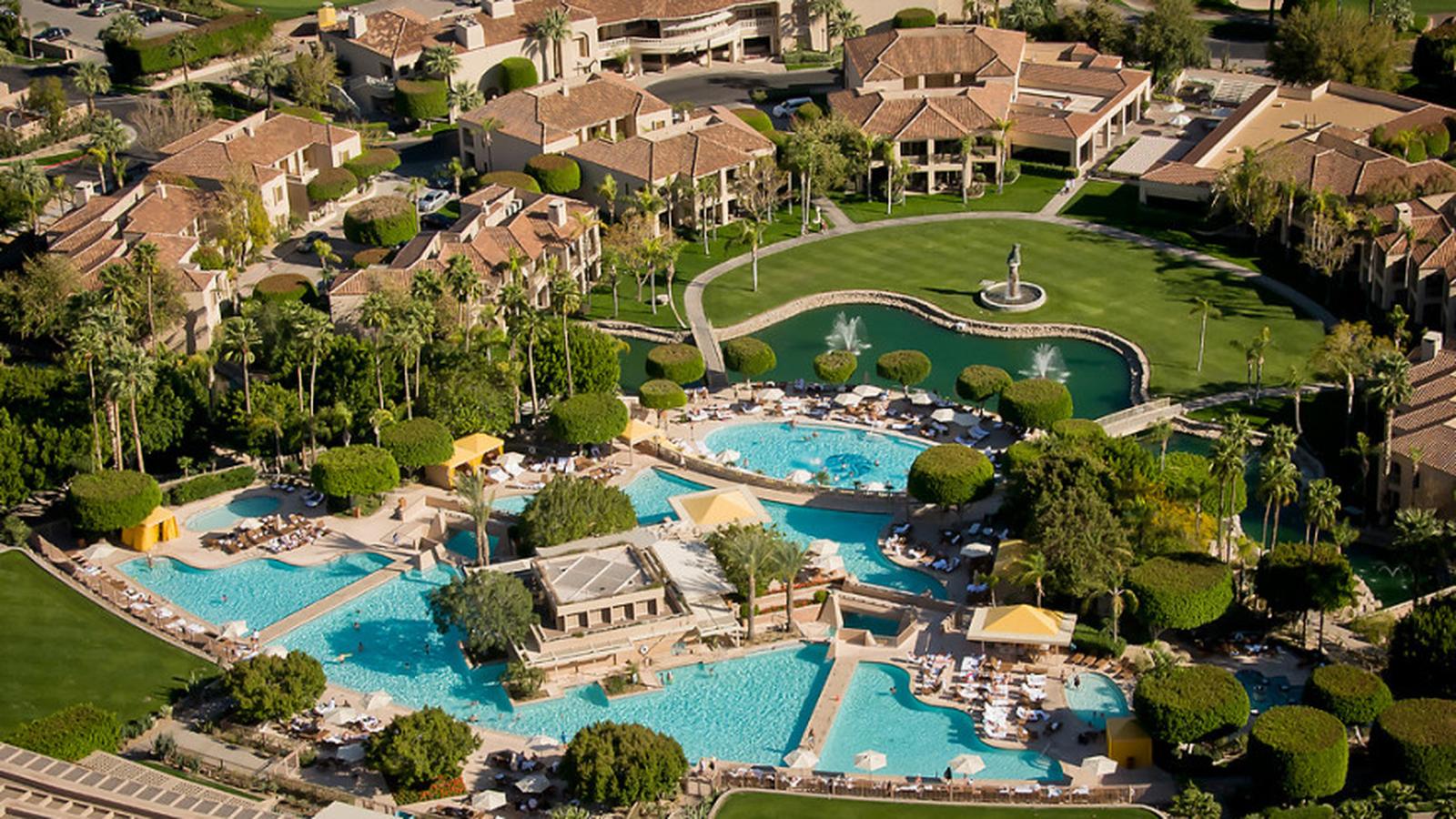
Scottsdale — Where the market pays a premium
Hospitality, dining, tourism and lifestyle retail, with a resident base that supports higher price points and a visitor economy layered on top.
- Suitable for: Restaurants and bars, flagship retail, wellness and beauty, premium services, hospitality-adjacent concepts.
- Customer profile: Affluent residents plus a substantial seasonal and visitor population. Expectations around design, service and finish are visibly higher.
- Commercial environment: Higher occupancy costs and higher build-out standards. Design review can be more involved than elsewhere in the valley.
- Location considerations: Old Town, the resort corridor and north Scottsdale behave like three different markets. Seasonality is real and needs to be modelled.
- Potential limitations: A concept that depends on volume at a moderate price point can struggle to carry the occupancy cost.
Tempe — The talent
A dense, walkable, university-anchored city with a young population and a visible startup and technology presence.
- Suitable for: Technology and software, R&D functions, startups, casual dining and late-night food, student-facing retail and services.
- Customer profile: Students, recent graduates, young professionals and university staff — high density, lower average spend, high frequency.
- Commercial environment: Limited land and a compact footprint. Space is competitive and generally smaller.
- Location considerations: Proximity to campus is a genuine variable, not a rounding error. So is the academic calendar.
- Potential limitations: Summer and semester breaks change footfall substantially for consumer businesses.
Mesa — Room to build
The valley's industrial and logistics side, with aerospace activity around Falcon Field, more available land, and large expanding residential communities.
- Suitable for: Manufacturing, aerospace and defence suppliers, logistics and warehousing, light industrial, trades and construction services.
- Customer profile: A large residential base with a broad income range, plus industrial and commercial tenants as B2B customers.
- Commercial environment: Generally lower cost per square foot than the western valley, with more options for larger footprints and build-to-suit.
- Location considerations: Access to freeways and to the airport matters more here than street-level visibility.
- Potential limitations: Consumer concepts that need dense walk-in traffic may find the built environment too dispersed.
Gilbert — The family market
A large, fast-growing suburban community with strong household formation and an active town centre.
- Suitable for: Neighbourhood retail, family dining, health and education services, second locations for proven concepts.
- Customer profile: Families and households with stable incomes who shop and eat close to home.
- Commercial environment: Newer commercial developments, generally well-maintained, with retail centres built around residential growth.
- Location considerations: Trade areas are residential and local. Regional draw is limited compared with Scottsdale or Tempe.
- Potential limitations: A weaker choice for a first location that needs to attract customers from across the metro.
Chandler — The technology corridor
The most concentrated technology and advanced-manufacturing presence in the valley, with corporate offices and international supply-chain activity alongside it.
- Suitable for: Semiconductor supply chain, precision manufacturing, industrial services, B2B technology, corporate and engineering offices.
- Customer profile: Engineers, technical professionals and their households, plus a substantial base of corporate and industrial customers.
- Commercial environment: Industrial and flex space oriented toward technical uses, with commercial development shaped around the employment base.
- Location considerations: Proximity to a specific customer or campus is often the deciding factor rather than general location quality.
- Potential limitations: Industrial space near the main clusters is in demand, which affects both cost and timing.
How to actually decide
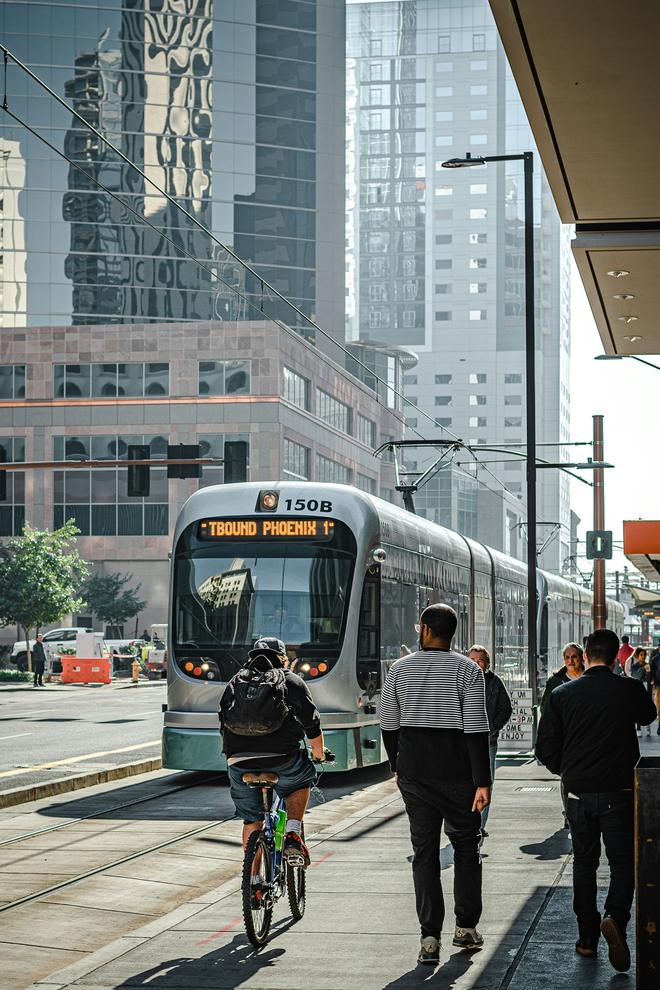
The choice depends on six variables, and they are rarely weighted equally. Work through them in order and the field usually narrows to two cities quickly.
A note on how these differences show up in practice
Two addresses fifteen minutes apart can sit in different municipalities, with different permitting timelines, different design review processes and different answers to the same question. That is not a detail — for a build-out it can be the difference between opening in month nine and month fourteen.